
Same material, different format
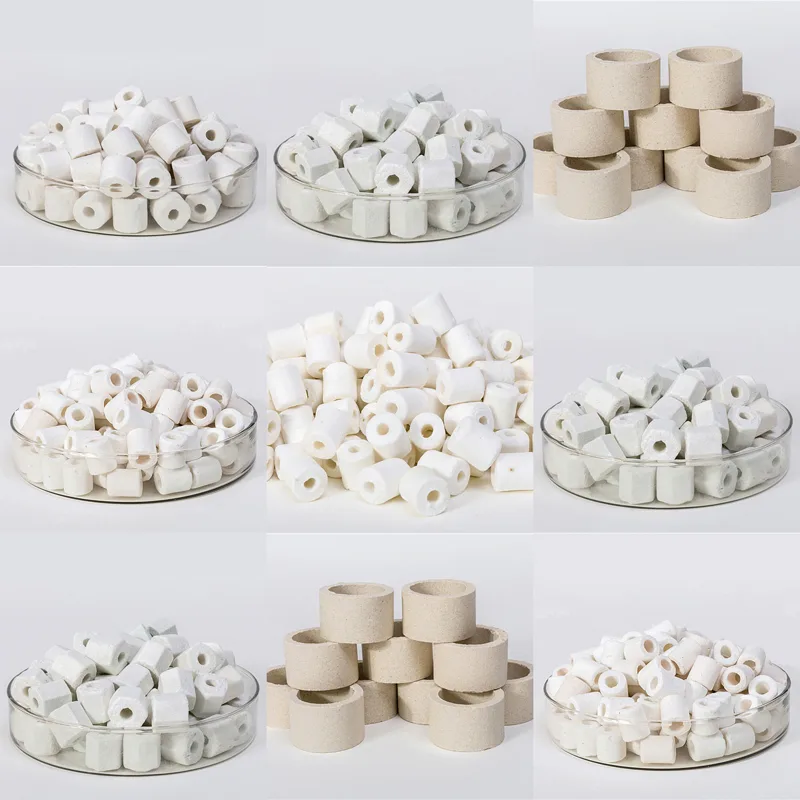
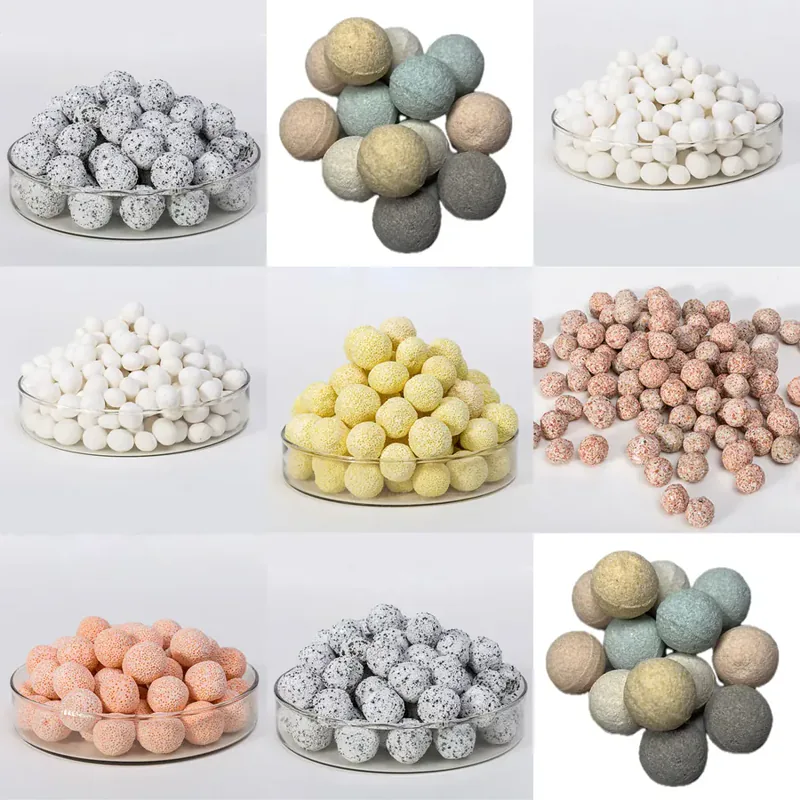
Ceramic Rings and Bio Ceramic Balls are both porous ceramic biological filter media. Both provide surface area for beneficial bacteria, and both fit standard aquarium and pond filtration programs. The useful comparison is not material quality but shape: rings are compact hollow cylinders, while balls are porous ceramic spheres. Because the format differs, they suit different pack styles, price presentations, and positions inside a media range.
When rings are the natural choice
Ceramic Rings are the everyday format most buyers already know. They fit canister baskets, sump chambers, and routine media packs for freshwater and marine channels, and they are the default reference product when a market talks about ceramic bio media. For an everyday supply line with broad recognition and predictable repeat orders, rings are usually the easier commercial base.
When balls earn their place
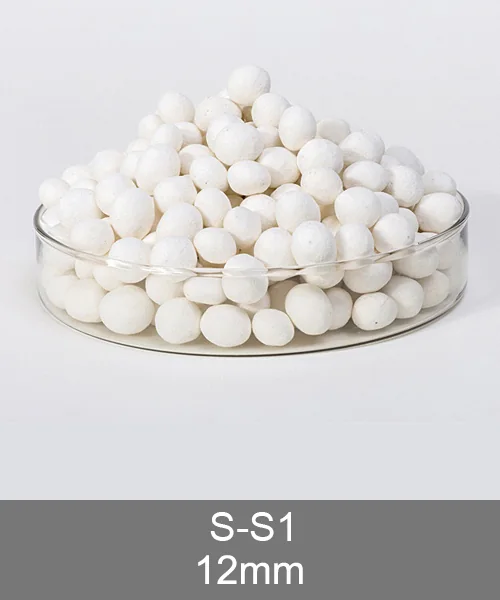
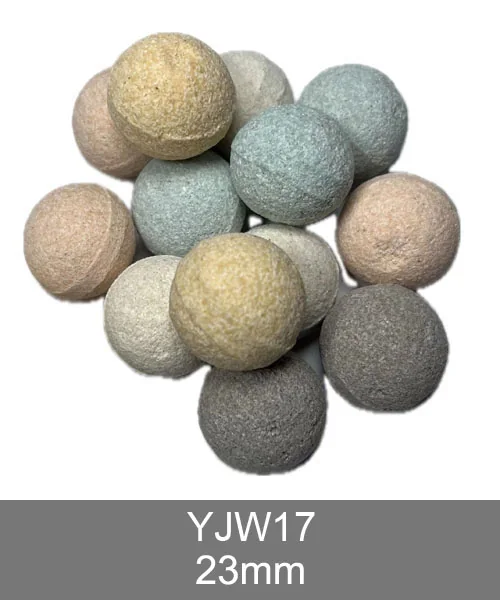
Bio Ceramic Balls give a range a shape that stands out. The spherical format is easy to recognize in clear bags, jars, and mixed assortments, which helps when the media itself is part of the product presentation on a shelf or product page. Because the body is ceramic, the product should be positioned as a porous ceramic sphere, not confused with plastic bio balls from wet-dry or moving-bed style filtration. Different colors and surface textures can also be reviewed by sample, which is useful when the balls sit beside rings or rods in the same product family.
Stocking both formats in one range
Many importers stock both instead of choosing one. Rings carry the familiar everyday demand, while balls add visual variety and a slightly different price presentation for retail-facing packs. The two formats combine naturally in mixed assortments and private-label families, and a mixed order can often be planned in one program with consistent ceramic quality across formats.
What to compare before ordering
Review the pack style first: bags, jars, and bulk cartons each show a sphere or ring format differently, and the pack decision often drives which format looks better. Then compare sizes within each format, confirm surface texture and color options by sample, and check that both formats can be supplied under the same packing and label arrangements if they will be sold as one family.
Useful checkpoints before you inquire
- Decide whether the order is for everyday ring supply, retail-facing ball packs, or a mixed two-format program
- Confirm the pack style: bags, jars, or bulk cartons
- Ask for samples if colors, surface texture, or sphere size consistency matter for the target market
- Note whether private-label packing is needed for either format or both